


Diet Considerations During Navratri Fasting: Eat Mindfully, Stay Energized




Share:
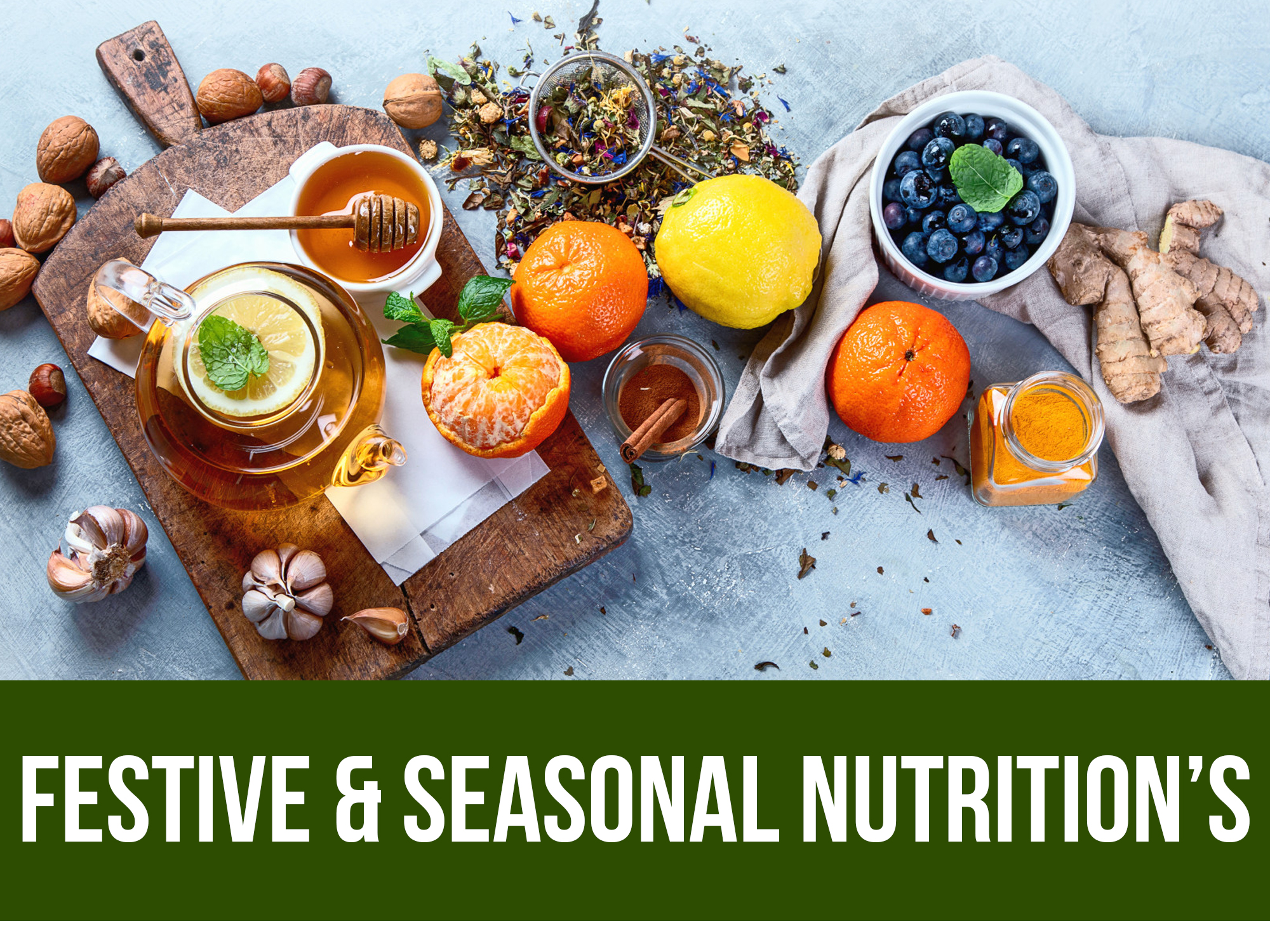
Navratri, the nine-day festival dedicated to Goddess Durga, is a time of spiritual reflection, devotion, and fasting. While fasting cleanses the body and mind, it can also lead to fatigue or weakness if not done mindfully. Choosing the right foods and maintaining a balanced approach ensures you stay energized and healthy throughout the festival.
1. Understand the Purpose of Fasting
Fasting during Navratri isn't just about skipping meals—it's about detoxifying your body and shifting towards a sattvic (pure) diet. The idea is to eliminate processed foods, grains, and meat, replacing them with natural, nourishing alternatives.
2. Choose Sattvic Foods
During Navratri, many traditional grains like rice and wheat are avoided. Instead, opt for sattvic alternatives such as:
-
Kuttu (Buckwheat) Flour
-
Singhara (Water Chestnut) Flour
-
Sabudana (Tapioca Pearls)
-
Samak Rice (Barnyard Millet)
These ingredients are gluten-free, light on the stomach, and provide sustained energy.
3. Focus on Energy-Boosting Foods
Fasting doesn’t mean starving. It's essential to fuel your body with the right nutrients. Include:
-
Fruits: Bananas, apples, papayas, and pomegranates are great energy boosters.
-
Dry Fruits & Nuts: Almonds, walnuts, raisins, and dates offer healthy fats and quick energy.
-
Dairy Products: Paneer, yogurt, and milk keep you full and support digestion.
-
Root Vegetables: Potatoes, sweet potatoes, and colocasia (arbi) are rich in carbohydrates and help maintain energy levels.
4. Hydration is Key
Dehydration is common during fasting. Drink plenty of water, coconut water, buttermilk, or lemon water to stay hydrated and flush out toxins. Herbal teas and warm water with ginger can also aid digestion.
5. Eat Small, Frequent Meals
Instead of three heavy meals, eat small portions throughout the day. This helps maintain your metabolism and prevents sudden drops in blood sugar levels. Plan your meals ahead to avoid impulsive or unhealthy food choices.
6. Avoid Fried & Sugary Foods
While many traditional Navratri dishes are fried, opt for baked, steamed, or sautéed versions when possible. Overconsumption of fried snacks and sweets can lead to bloating, lethargy, and weight gain.
7. Listen to Your Body
Fasting is not a competition. If you feel dizzy, excessively tired, or unwell, consider modifying your fast. The spiritual goal of Navratri is to achieve balance—not stress or starvation.
Final Thoughts
Navratri fasting can be a rejuvenating experience when approached with mindfulness and nutritional awareness. With the right diet choices, you can honor the spiritual essence of the festival while keeping your energy levels up and your body nourished.
Stay mindful, stay energized, and have a healthy Navratri!